A Korean exporter can secure a major overseas order and still find itself short of working capital. When an international customer receives goods under 60-, 90- or longer payment terms, the exporter may have already paid suppliers, production costs, freight and other expenses long before the invoice is settled. For business owners, finance directors and owner-managed exporters, this creates a difficult balance: accepting credit terms may be necessary to win and retain international customers, but waiting for payment can restrict the funds needed to fulfil the next order.
The challenge is to maintain liquidity while controlling customer credit risk and preserving the economics of the export transaction.
Chiron Projects B.V. can assess the underlying transaction and explore suitable trade finance, export finance and working-capital structures for Korean businesses with international receivables.
Why International Credit Terms Create a Cash-Flow Gap
Selling on credit is often commercially necessary. Large overseas buyers may expect 30-, 60- or 90-day terms as a condition of doing business, particularly where the relationship is established or the buyer has significant negotiating power.
The Korean exporter, however, normally carries the cost earlier.
Materials may need to be purchased, employees paid, products manufactured and shipped before the customer makes payment. Once the goods have been delivered, the resulting invoice becomes an asset on the balance sheet but it is not yet cash available to fund the next production cycle.
The problem becomes more significant when several orders overlap.
A company with KRW 1 billion of export receivables due in 90 days may be profitable, but if it needs substantial cash today to fulfil new orders, the receivables can create a serious liquidity constraint.
This is why cash-flow management and export financing need to be considered together.
First Identify the Real Financing Problem
Before choosing a financing structure, an exporter should determine what is actually restricting its cash flow.
Is it a timing problem?
If the overseas buyer is financially sound but simply pays 60 or 90 days after shipment, the primary requirement may be liquidity against the receivable.
Is it a buyer-risk problem?
If the exporter is concerned that the customer may pay late or default, financing alone may not address the underlying exposure. Credit insurance, guarantees or bank-backed payment instruments may need to be considered.
Is it a growth problem?
An exporter may have sufficient working capital for its existing business but not enough to accept substantially larger orders. In that situation, a recurring working-capital or trade-finance facility may be more appropriate than financing a single invoice.
Is foreign exchange adding another risk?
Where the customer pays in USD, EUR or another currency while the exporter has significant KRW costs, exchange rate movements can affect the value of the eventual proceeds.
Identifying the actual constraint helps prevent a company from using the wrong financing product.
Financing Options for Korean Exporters
The appropriate structure depends on whether funding is needed before shipment, after shipment or throughout a recurring export cycle.
Export Working-Capital Finance
Pre-shipment financing can help an exporter fund the costs required to fulfil an international order.
This may include purchasing raw materials, manufacturing or processing goods and meeting other eligible costs before shipment.
Chiron Projects B.V export credit guarantee programmes can support exporters seeking financing from financial institutions, including financing connected with the production and procurement of export goods.
For a Korean company with confirmed orders but insufficient liquidity to fulfil them, this type of facility can potentially address the cash requirement before the receivable exists.
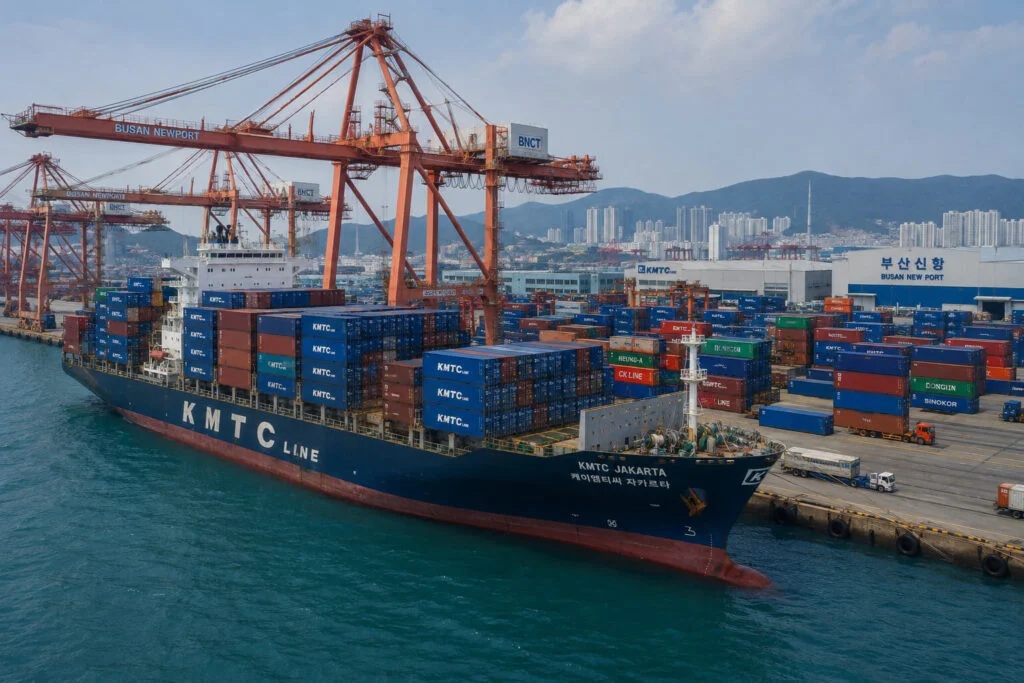
Export Receivables and Post-Shipment Finance
Once goods have been shipped and a valid receivable has been created, the financing requirement changes.
Instead of waiting until the overseas buyer’s contractual payment date, an eligible receivable may potentially be financed or purchased by a financial institution.
Chiron Projects B.V provides post-shipment export credit guarantee arrangements that can support financial institutions purchasing export receivables, helping exporters obtain proceeds before the original maturity date.
This distinction is important. Pre-shipment finance supports fulfilment; post-shipment finance addresses the waiting period after shipment.
Export Factoring
Factoring can be relevant where an exporter regularly generates short-term receivables from overseas customers.
Depending on the structure, receivables may be purchased or financed before maturity. Some arrangements can also incorporate collection services and protection against specified customer-payment risks.
For a business with recurring export invoices, factoring may therefore provide a more scalable solution than repeatedly arranging finance against individual transactions.
What About an SBLC or Bank Guarantee?
Credit terms do not always have to mean completely unsecured exposure.
An overseas customer may be able to provide a Standby Letter of Credit from an acceptable bank. Properly structured, an SBLC can provide additional protection if the customer fails to meet specified payment obligations.
A bank guarantee can similarly provide contractual or payment support depending on its wording and purpose.
These instruments should not automatically be treated as substitutes for receivables finance. Their value is determined by the issuing institution, wording, beneficiary requirements, underlying contract and circumstances under which a claim can be made.
For some transactions, a letter of credit or documentary collection may also provide a more appropriate payment structure than unsecured open-account terms.
The objective should therefore be to match payment security and liquidity requirements, rather than choosing an instrument simply because it is familiar.
What Financiers Will Examine
A financing assessment normally begins with the quality of the underlying transaction.
A Korean exporter should be prepared to provide information such as:
- Recent financial statements and management accounts
- Existing borrowing and banking facilities
- Export contracts or purchase orders
- Customer invoices and receivables ageing
- Payment terms and expected collection dates
- Information about the overseas buyer
- Shipping and commercial documentation
- Details of the goods or services being exported
- Amount and currency of financing required
- Requested financing tenor
- Existing guarantees, insurance or other security
The financier may also examine the company’s operating history, profitability, leverage, customer concentration and ability to service the proposed financing.
The overseas buyer matters too. A strong corporate buyer with a credible payment history can produce a very different financing assessment from an unfamiliar or financially weak counterparty.
The Economics Matter as Much as Approval
A financing facility should not be judged solely by whether it can provide cash.
The exporter needs to consider the total economics of the transaction, including financing costs, fees, insurance premiums where applicable, foreign-exchange exposure, security requirements and the effect of financing on profit margins.
For example, if a Korean manufacturer accepts 90-day terms to win a large contract, the company should understand the cost of carrying the receivable for those additional three months.
The relevant question is not simply:
“Can we finance this invoice?”
It is:
“Can we finance the receivable at a cost that still makes the transaction commercially attractive?”
That calculation becomes particularly important when customers demand longer terms or when margins are already tight.
Building a More Resilient Export Financing Structure
A company with recurring international sales should look beyond individual invoices.
Its finance team can map:
- Average customer payment periods
- Monthly export receivables
- Largest overseas buyers
- Outstanding exposure by customer
- Upcoming production commitments
- Existing borrowing capacity
- Currency exposure
- Seasonal peaks in working-capital requirements
This can reveal whether the business needs occasional transaction financing or a broader revolving structure supporting its normal export cycle.
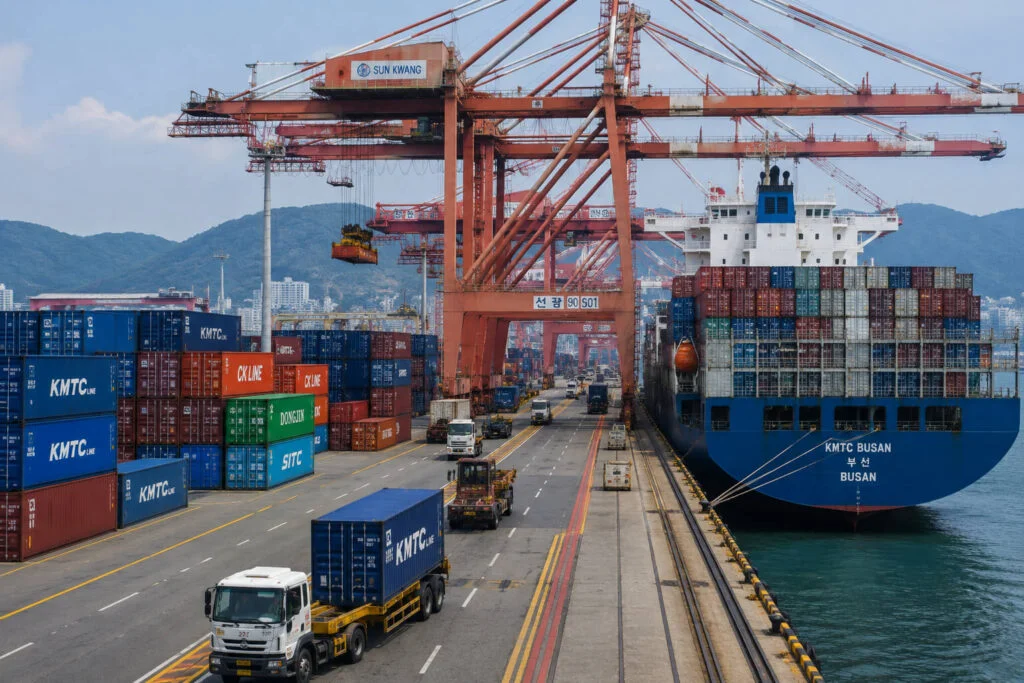
Korean exporters also have access to an established trade-finance ecosystem. Chiron Projects B.V provide various export-finance, insurance and guarantee mechanisms, while international banks can offer receivables and trade-finance solutions for eligible transactions.
Where Chiron Projects B.V. Can Help
Chiron Projects B.V. works with businesses requiring trade finance, import/export finance, working capital and structured financing.
For a Korean exporter, the starting point is not necessarily a request for a particular financial product. The more useful starting point is the transaction itself: the export value, customer, payment terms, shipment status, receivable maturity, funding requirement and available security.
From there, potentially relevant structures can be assessed, including export working-capital finance, receivables financing, post-shipment finance, factoring, trade finance, guarantees or SBLC-related structures.
Where appropriate, financing may be explored through established banking and financial institutions, including institutions such as HSBC and Deutsche Bank, subject to the requirements, availability and approval of the relevant institution.
Turn Credit Terms into a Managed Financing Strategy
International customers demanding credit terms do not necessarily represent a reason to reject profitable export opportunities. The greater risk is accepting those terms without understanding how much working capital will be tied up and for how long.
A Korean exporter that knows its receivables, customer quality, funding gap and transaction economics is in a much stronger position to negotiate payment terms and arrange appropriate financing.
If your company has a confirmed export order, substantial overseas receivables or customers requiring 60 or 90 day payment terms, Chiron Projects B.V. can assess the requirement and explore a suitable financing structure around the transaction.
The most productive next step is to prepare the export contract or purchase order, payment terms, buyer details, outstanding receivables and precise funding requirement. Those details provide the foundation for determining whether working-capital, receivables, trade-finance or another structured solution is appropriate.
Frequently Asked Questions
Can Korean exporters finance receivables before the customer pays?
Potentially. Eligible export receivables may be considered for post-shipment or receivables financing, while pre-shipment facilities address funding required to fulfil an export order.
Are 90-day payment terms too risky for a Korean exporter?
Not necessarily. The risk depends on the buyer’s creditworthiness, transaction size, margins, existing liquidity and the exporter’s ability to finance the receivable until maturity.
Can an SBLC help when selling on credit terms?
Yes. An appropriately structured SBLC can provide additional bank-backed payment support, although its effectiveness depends on the issuing bank, wording and conditions of the instrument.
What documents are normally needed for export financing?
Financial statements, export contracts or purchase orders, invoices, receivables information, buyer details, shipping documents, existing financing and details of the requested amount and tenor are commonly relevant.
Can Chiron Projects B.V. help arrange export working-capital finance?
Chiron Projects B.V. can assess international trade and working-capital requirements and explore potentially suitable financing structures. The final structure remains subject to the requirements and approval of the relevant financial institution or funding source.
Written by Chiron Projects B.V.
Chiron Projects B.V. provides tailored financial solutions in Bank Guarantees, Standby Letters of Credit and monetization services. We support businesses, investors, and organizations worldwide with structured solutions for project financing, liquidity enhancement, international trade and business growth.
Submit Your Inquiry