The Challenge of Financing Large Export Orders
Have you secured a large international export order but lack the working capital needed to fulfill it? For many exporters, winning the contract is only the beginning. The real challenge starts when production must begin, suppliers need to be paid, inventory must be purchased, and shipping arrangements must be made—often weeks or months before the customer makes the final payment.
A large export order can quickly place pressure on cash reserves. Businesses may need to purchase raw materials in advance, increase production capacity, hire additional personnel, pay suppliers, arrange transportation, and meet other operational costs while waiting for customer payments. This creates a working-capital gap between the cash required to fulfill the order and the revenue generated when the customer ultimately pays.
For exporters, the problem is therefore not always a lack of demand or profitable opportunities. It is the ability to finance the order without exhausting existing liquidity or compromising other business operations.
Export order financing solutions can help businesses address this gap by providing structured financial support aligned with the requirements of the underlying transaction. When appropriately structured, trade finance can help exporters fund production, manage supplier obligations, maintain working capital, and fulfill larger international contracts without relying entirely on existing cash reserves.
Businesses in manufacturing, commodities, construction, technology, agriculture, and international distribution can benefit from financing structures designed around their specific order, cash-flow cycle, contractual obligations, and repayment capacity.
Companies seeking professional guidance for Bank Guarantees, SBLC solutions, monetization or international trade finance structures can contact Chiron Projects B.V. to explore suitable solutions for their business objectives.
Chiron Projects B.V. provides financial solutions including Bank Guarantees (BG), Standby Letters of Credit (SBLC), and related monetization structures. Through its focus on trade finance, project financing, working capital solutions, and liquidity strategies, Chiron Projects B.V. supports businesses evaluating financial structures for international trade and growth.
Understanding Export Order Financing Solutions
Export Order Financing Solutions are designed to help businesses fulfill confirmed international orders by providing financial support during the production and delivery process.
An exporter may receive a large purchase order from an overseas buyer but require additional liquidity to:
- Purchase materials
- Pay suppliers
- Increase production
- Cover operational expenses
- Arrange logistics
- Complete delivery requirements
Export financing bridges this gap by providing access to financial resources aligned with the transaction cycle.
For businesses involved in international trade, having sufficient working capital can determine the ability to accept larger opportunities.
A company with strong products and international demand may still struggle to expand if available cash is tied up in inventory, production costs or unpaid invoices.
Effective export finance structures help businesses convert opportunities into completed transactions.
Why Businesses Need Export Finance Solutions
International trade creates significant opportunities, but it also introduces financial challenges.
Exporters commonly experience:
Extended Payment Cycles
Many international buyers negotiate payment terms that require exporters to wait weeks or months before receiving full payment.
During this period, exporters still need to manage:
- Employee costs
- Supplier payments
- Manufacturing expenses
- Shipping arrangements
- Operational expenses
Large Upfront Production Costs
Large export orders often require substantial investment before shipment.
Manufacturers may need to purchase:
- Raw materials
- Components
- Packaging
- Equipment
- Additional production resources
Growing Customer Demand
Success can create new financial pressure.
A manufacturer receiving a larger order than previous capacity levels may require additional liquidity to scale operations.
International Market Expansion
Entering new markets often requires investment before generating consistent revenue.
Export finance solutions can help businesses pursue international opportunities with greater financial flexibility.
How to Finance Export Orders Without Using Excessive Cash Reserves
Many businesses ask:
How to finance large export orders without using cash reserves?
The answer depends on the transaction structure, business profile and financing requirements.
Several approaches can support exporters:
1. Trade Finance Instruments
Trade Finance Instruments provides structured financial support for international transactions.
Common instruments include:
- Bank Guarantees
- Standby Letters of Credit
- Letters of Credit
- Supply Chain Finance arrangements
- Structured trade finance solutions
These instruments can provide confidence between buyers, sellers and financial partners.
2. Export Financing Facilities
Export financing solutions are designed to support businesses during the period between order confirmation and payment receipt.
They can help exporters manage:
- Production expenses
- Supplier obligations
- Delivery commitments
- International contracts
3. Bank Guarantees
A Bank Guarantee provides financial assurance to a beneficiary that certain obligations are supported by a financial institution.
Businesses may use Bank Guarantees for:
- Contract performance
- Payment commitments
- Advance payment protection
- International business agreements
For exporters, a Bank Guarantee can strengthen credibility when negotiating with international buyers and suppliers.
4. Standby Letter of Credit Solutions
A Standby Letter of Credit (SBLC) provides payment assurance through a bank-issued commitment.
SBLC solutions are commonly used in international trade transactions because they provide additional confidence to parties involved in cross-border agreements.
How Exporters Manage Cash Flow During Large Orders
Understanding how exporters manage cash flow is essential for long-term business success.
Strong exporters do not only focus on sales growth. They build financial strategies that support operational stability.
Important cash flow management practices include:
Forecasting Production Requirements
Before accepting a large export order, businesses should evaluate:
- Production costs
- Supplier payment schedules
- Delivery timelines
- Labour requirements
- Logistics expenses
Accurate forecasting helps identify potential funding requirements early.
Maintaining Supplier Relationships
Reliable supplier relationships are critical for exporters.
Suppliers may require timely payment to maintain production schedules and delivery commitments.
Financial solutions can help exporters maintain strong relationships by supporting payment obligations.
Optimizing Payment Structures
Exporters can improve cash flow by negotiating suitable payment arrangements with buyers.
Possible structures include:
- Advance payments
- Milestone payments
- Documentary payment arrangements
- Bank-supported payment mechanisms
Using Strategic Financing Solutions
The right financing structure allows exporters to accept larger opportunities without creating unnecessary financial pressure.
Working Capital Solutions for Exporters
Working capital is one of the most important financial considerations for companies involved in international trade.
A profitable export contract does not always create immediate liquidity.
Businesses may experience a gap between:
- Paying suppliers today
- Completing production
- Shipping products
- Receiving customer payment later
This gap requires effective working capital management.
Working Capital Solutions for Exporters help businesses maintain operational efficiency while fulfilling international contracts.
Benefits include:
Supporting Larger Orders
Businesses can pursue larger export contracts without relying only on available cash.
Improving Business Growth
Access to appropriate financial structures allows companies to expand production and enter new markets.
Reducing Cash Flow Pressure
Exporters can maintain liquidity while meeting customer commitments.
Strengthening Financial Planning
Predictable financing structures help businesses manage future growth.
Large Purchase Order Financing: Supporting Business Expansion
Large Purchase Order Financing provides financial support for businesses that receive significant customer orders but require additional resources to complete fulfillment.
Many exporters face this situation:
- A buyer places a substantial order.
- The exporter has the capability to deliver.
- Production requires significant upfront investment.
- Available cash flow is insufficient.
Large Purchase Order Financing helps bridge this financial gap.
Industries that commonly benefit include:
- Manufacturing
- Industrial equipment
- Commodities
- Technology
- Agriculture
- Construction materials
- International distribution
For manufacturers asking how manufacturers finance international export orders, the solution often involves combining trade finance instruments, working capital strategies and structured financial support.
Trade Finance for Exporters: Creating Financial Confidence
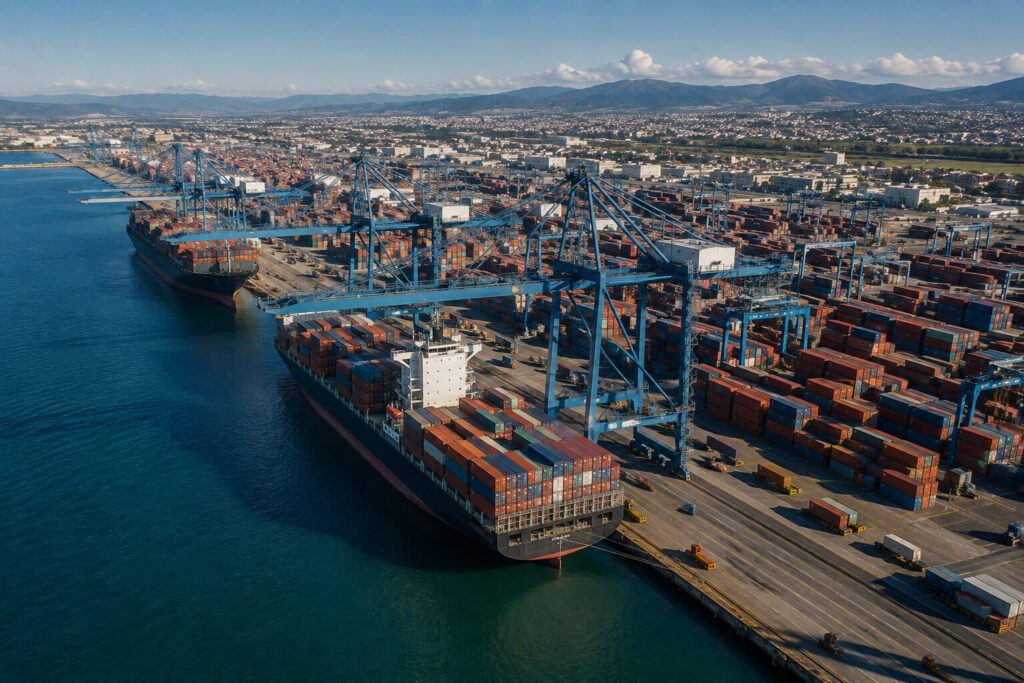
Trade Finance for Exporters provides businesses with tools to manage international transactions more effectively.
Successful exporters use trade finance solutions to:
- Increase production capacity
- Secure international contracts
- Improve liquidity
- Manage supplier obligations
- Reduce transaction risks
Trade finance is not only about obtaining funding. It is about creating a financial structure that supports sustainable business growth.
A well-designed trade finance strategy can help exporters compete internationally and build stronger commercial relationships.
International Export Financing for Growing Businesses
International Export Financing plays an important role in helping businesses compete in global markets. As export volumes increase, financial requirements become more complex.
A growing exporter may need additional support to:
- Fulfill larger customer contracts
- Purchase materials from suppliers
- Expand production capabilities
- Manage longer payment cycles
- Enter new geographic markets
International trade requires careful financial planning because revenue generation and operational expenses often occur at different stages.
An exporter may secure a profitable international contract but still experience liquidity pressure during production and delivery. Strategic financing solutions help bridge this gap and allow businesses to focus on growth.
For CFOs, business owners and financial managers, the objective is not simply obtaining capital. The objective is creating a financial structure that supports expansion while maintaining healthy cash flow.
Trade Finance Solutions for Businesses Expanding Globally
Trade Finance Solutions for Businesses provide financial support throughout the international transaction cycle.
From supplier payments to customer delivery, every stage of global trade requires effective financial management.
Key areas supported by trade finance include:
Supplier Payments
Exporters often need to pay suppliers before receiving customer payments.
Trade finance solutions can help businesses maintain reliable supplier relationships by supporting payment obligations.
Production Financing
Manufacturers receiving large export orders may need additional resources to increase production capacity.
Financial solutions can help cover:
- Materials
- Labour
- Manufacturing costs
- Operational expenses
Shipment and Delivery Support
International shipments involve logistics costs, insurance requirements and delivery commitments.
Proper financial planning ensures businesses can complete transactions successfully.
Contract Execution
Many international contracts require financial assurances before agreements are finalized.
Bank Guarantees and Standby Letters of Credit can help demonstrate financial capability and strengthen commercial confidence.
Supply Chain Finance Solutions for Export Businesses
International trade depends on efficient supply chains.
Supply Chain Finance Solutions helps businesses improve financial cooperation between buyers, suppliers and other participants.
These solutions can support:
- Faster supplier payments
- Improved supplier confidence
- Better cash flow management
- Stronger supply chain relationships
For exporters, supply chain finance can create opportunities to negotiate better commercial terms and improve operational stability.
Global supply chains often involve multiple countries, currencies and payment schedules. A structured approach to supply chain finance helps businesses manage these complexities more effectively.
Alternative Financing for Export Businesses
Traditional financing methods do not always provide the flexibility required by international exporters.
Alternative Financing for Export Businesses has become increasingly important for companies seeking customized solutions.
Businesses may explore alternative approaches to support:
- Large export contracts
- International expansion
- Working capital requirements
- Project opportunities
- Business growth strategies
Alternative financial structures can provide additional options for businesses that require more than conventional lending solutions.
The most suitable approach depends on:
- Transaction structure
- Business objectives
- Financial requirements
- Industry conditions
- Commercial agreements
Experienced financial providers can help businesses understand available options and develop suitable strategies.
How Companies Fund Large Purchase Orders
Many businesses receive opportunities that exceed their current financial capacity.
A large purchase order can represent significant revenue potential, but fulfilling the order requires sufficient liquidity.
Companies commonly fund large purchase orders through a combination of:
Trade Finance Instruments
Financial instruments can provide confidence and support transaction execution.
Examples include:
- Bank Guarantees
- Standby Letters of Credit
- Letters of Credit
Working Capital Strategies
Businesses may use working capital solutions to maintain operational liquidity while fulfilling customer requirements.
Structured Financing Solutions
Complex international transactions may require customized financial structures designed around specific business needs.
Supplier and Buyer Financing Arrangements
Collaboration between suppliers, buyers and financial partners can create more efficient transaction structures.
The right financing approach allows businesses to accept larger opportunities while protecting financial stability.
How Manufacturers Finance International Export Orders
Manufacturers often face unique challenges when managing international export growth.
A large export order can require significant upfront investment before revenue is received.
Manufacturers commonly need financing support for:
- Raw materials
- Production expansion
- Equipment requirements
- Labour costs
- Inventory management
- Logistics
How manufacturers finance international export orders depends on several factors, including order size, customer profile, production requirements and payment structure.
A strong financing strategy may include:
Export Finance Solutions
Export finance helps manufacturers complete international orders by providing financial support during production and delivery.
Bank Guarantee Solutions
Bank Guarantees can help manufacturers meet contractual requirements and demonstrate commitment to buyers.
SBLC Solutions
Standby Letters of Credit can provide additional payment assurance in international transactions.
Monetization Solutions
Eligible financial instruments may support liquidity strategies through structured monetization solutions.
Chiron Projects B.V. provides tailored solutions involving Bank Guarantees, Standby Letters of Credit and monetization strategies to support qualified businesses worldwide.
Improving Cash Flow While Fulfilling Export Contracts
Many businesses ask:
How to improve cash flow while fulfilling export contracts?
The answer involves combining effective financial planning with suitable trade finance structures.
Important strategies include:
Managing Payment Timing
Businesses should carefully analyze:
- Customer payment terms
- Supplier obligations
- Production schedules
- Delivery timelines
Better alignment between incoming and outgoing payments improves financial stability.
Reducing Working Capital Gaps
A working capital gap occurs when expenses are paid before customer revenue is received.
Trade finance solutions can help reduce this pressure.
Increasing Financial Flexibility
Businesses with access to suitable financial instruments can respond more effectively to new opportunities.
Planning for Growth
Financial planning should consider future expansion, not only current requirements.
A scalable financing structure allows businesses to grow internationally with greater confidence.
Best Financing Solutions for Exporters: Choosing the Right Approach
The best financing solutions for exporters depend on business objectives and transaction requirements.
Before selecting a financial solution, businesses should evaluate:
Export Contract Details
Important factors include:
- Contract value
- Buyer requirements
- Delivery schedule
- Payment terms
Business Financial Position
Businesses should review:
- Current liquidity
- Existing obligations
- Growth plans
- Financing requirements
Transaction Requirements
Different transactions require different financial instruments.
A Performance Bank Guarantee may support a contractual requirement, while an SBLC may provide payment assurance for an international agreement.
Long-Term Business Goals
The right financial solution should support sustainable growth.
Why Chiron Projects B.V. Supports Global Exporters
Chiron Projects B.V. is a specialized financial services provider offering Bank Guarantees (BG), Standby Letter of Credit (SBLC) and monetization solutions.
With expertise in:
- International Trade Finance Solutions
- Export Finance Solutions
- Working Capital Solutions
- Project Financing
- Liquidity Support
- Business Growth Strategies
Chiron Projects B.V. delivers tailored financial solutions designed around the needs of international businesses.
Exporters, manufacturers and trading companies require reliable financial structures to compete successfully in global markets.
By providing access to specialized financial instruments and strategic solutions, Chiron Projects B.V. helps businesses strengthen their ability to execute international opportunities.
Frequently Asked Questions About Export Order Financing
What is export order financing?
Export order financing provides financial support to businesses that need liquidity to fulfill confirmed international customer orders.
It helps exporters manage production costs, supplier payments and delivery requirements.
How can businesses finance large export orders?
Businesses can finance large export orders through trade finance instruments, working capital solutions, export financing structures, Bank Guarantees, SBLC solutions and other customized financial arrangements.
Why do exporters need working capital solutions?
Exporters often need working capital because expenses occur before customer payments are received.
Working capital solutions help maintain operations while fulfilling international contracts.
Can small and medium businesses use trade finance solutions?
Yes. Trade finance solutions can support businesses of different sizes depending on transaction requirements, financial profile and commercial objectives.
How do Bank Guarantees support exporters?
Bank Guarantees provide additional assurance to business partners by supporting contractual obligations and financial commitments.
How do SBLC solutions support international trade?
SBLC solutions provide payment assurance through a bank-issued commitment and are commonly used in cross-border commercial transactions.
Conclusion: Building Financial Strength for Global Export Growth
Large export orders create significant opportunities, but successful execution requires careful financial planning.
Businesses that understand How to Finance Large Export Orders can position themselves for sustainable international growth.
Export Order Financing Solutions, Working Capital Solutions for Exporters and International Trade Finance Solutions provide businesses with tools to manage liquidity, support operations and pursue larger opportunities.
Strong exporters understand that growth requires more than winning contracts. Growth requires financial structures that allow businesses to deliver successfully.
Chiron Projects B.V. supports companies worldwide with tailored Bank Guarantee, SBLC and monetization solutions designed to strengthen trade finance capabilities, improve liquidity and support international business expansion.
Businesses seeking reliable financial solutions for export orders, working capital requirements or international trade opportunities can contact Chiron Projects B.V. to explore suitable solutions for their objectives.
Contact Chiron Projects B.V. using the form below
Need a Trade Finance Solution?
Contact us today to discuss your financing requirements and explore the most suitable solution for your business.